Home & Cleaning
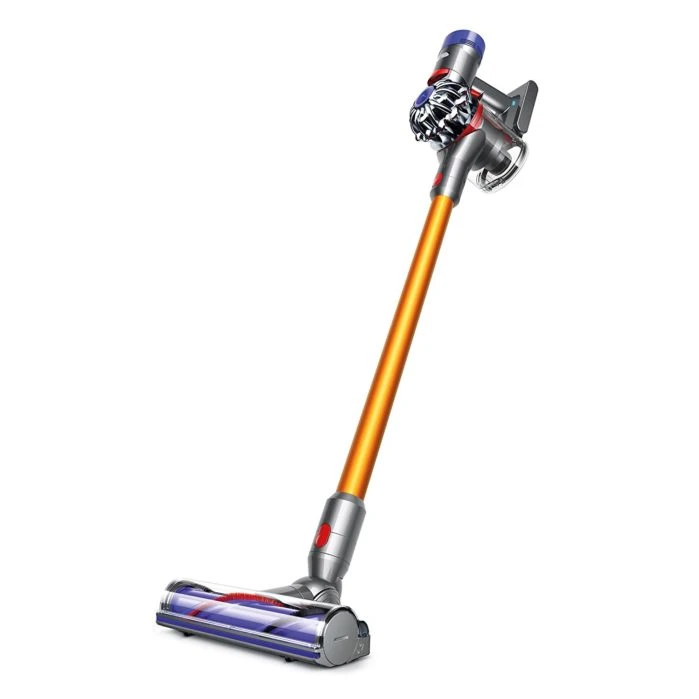
Dyson V8 Absolute review: everyday cleaning, without the cord
A considered look at the V8 Absolute, its floor tools, battery tradeoffs, and the homes where a cordless cleaner makes sense.
The everyday edit · Household tips

A calmer home does not need a perfect schedule. It needs a few repeatable actions that are small enough to survive an ordinary busy day. Start with the places that create the most friction and make the tools easier to reach.
Choose one moment that already exists: after breakfast, before leaving the house or just before settling down for the evening. Put stray items back, clear the surface you use most and deal with the obvious crumbs. The time limit is a boundary, not a challenge to rush through every room.
Make the reset specific. A kitchen counter and a clear route through the living room are easier goals than an instruction to tidy the whole home. If five minutes is not available, do one surface and stop. A routine that happens is more useful than an ambitious plan that stays on paper.
Keep everyday cleaning tools where they can be retrieved safely and quickly. A cordless vacuum that is charged and accessible may get used more often than a more elaborate setup buried behind furniture. At the same time, keep cleaning products in their original labeled containers and out of the reach of children and pets.
Do not buy a new organizer before deciding what needs a home. Remove unnecessary duplicates, identify the tools you regularly use and work with the storage you already have. Less equipment can make the cupboard easier to maintain.
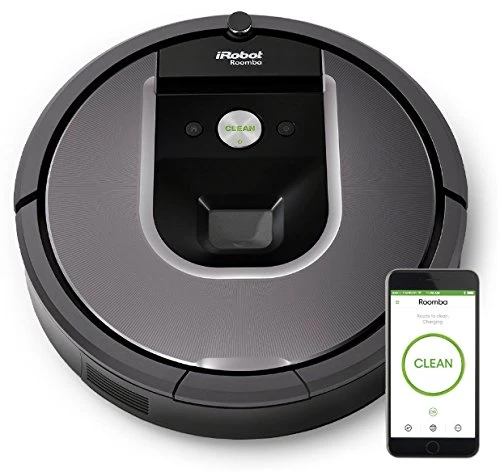
If you use a robot vacuum, make its route predictable. Lift cables, move loose items and leave the charging base accessible. Observe the machine before scheduling unattended runs. A few minutes of preparation can matter more than a complicated app schedule.
Automation is most helpful when it takes over a repetitive part of an established routine. It is less helpful when you expect a machine to decide what should be moved, protected or left alone.
Write down the filters, brushes and other consumables your appliances use. Check the manual for each product and keep those instructions together. A cleaner that needs a full bin emptied or a brush cleared is another unfinished task, even when it looks neatly stored.
Before buying a replacement appliance, inspect the one you own. A compatible consumable or an ordinary maintenance step may be enough. For electrical faults or unfamiliar repairs, use the manufacturer’s support rather than guessing.
A clear surface is easier to wipe and an unobstructed floor is easier to vacuum. Choose a little empty space deliberately. That does not require a minimalist home; it simply means giving daily tasks somewhere to happen without first moving a dozen objects.
The aim is a home that is comfortable to live in and manageable to look after. Let the routine support that aim. Adjust it when your household changes, keep the useful parts and let go of the ones that create more work than they save.
Illustrative room artwork created with AI assistance. Product use and care should follow the relevant manufacturer’s instructions.
Home & Cleaning
A considered look at the V8 Absolute, its floor tools, battery tradeoffs, and the homes where a cordless cleaner makes sense.
Home & Cleaning
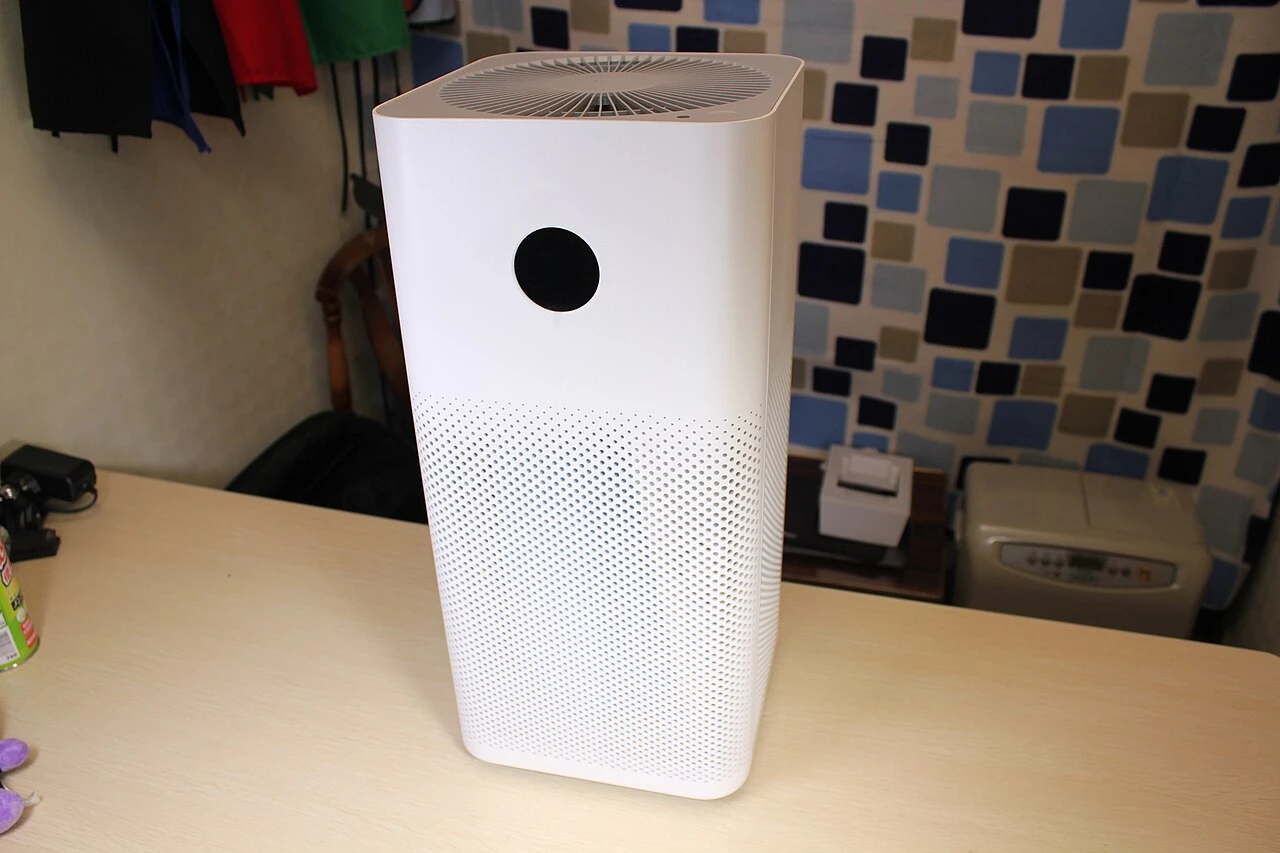
A compact purifier with a maintenance story worth understanding. We consider room fit, replacement filters, and the limits of older smart appliances.
Smart Home
An older robot vacuum can still be useful. Look closely at its battery, brushes, navigation needs, and support before treating it as a bargain.